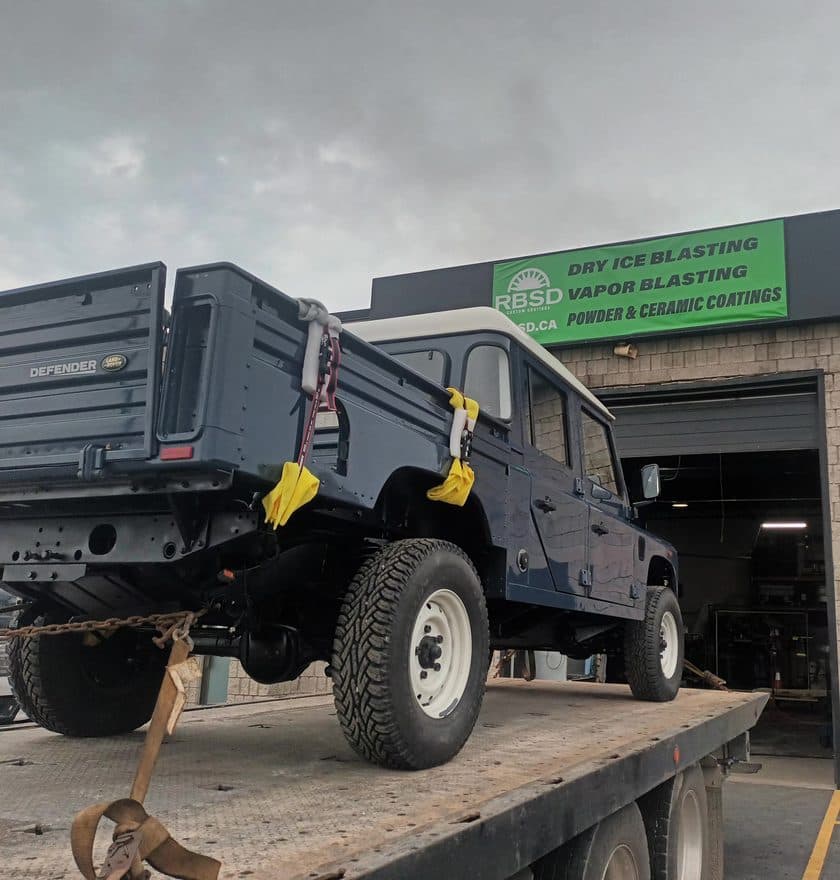
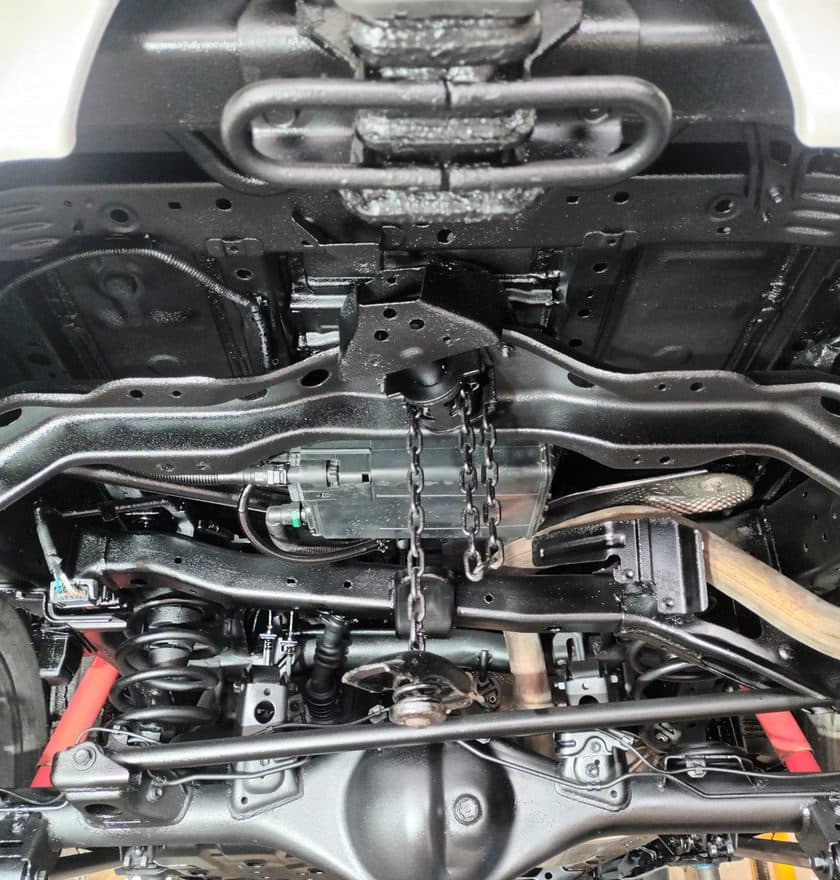
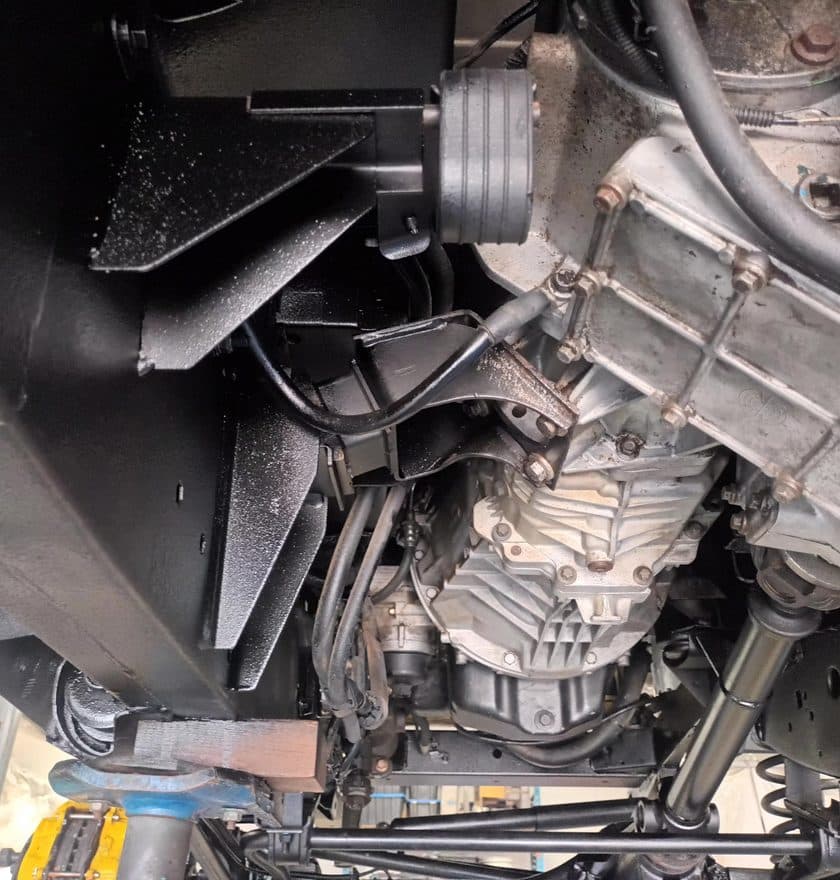
WHAT IS UNDERCOATING?
Undercoating is a protective layer applied to the underside of a vehicle, its most exposed and least seen surface. It guards the steel against road salt, moisture, and stone chips. Ours starts with a dry ice blast, so the Dinitrol coating goes onto clean, dry metal instead of over trapped salt.
UNDERCOATING OPTIONS
Two Dinitrol packages, chosen by how your vehicle lives. We recommend one after we see the underbody, not before.
Dinitrol 4010
A clear corrosion protection wax for new or well-maintained vehicles. It seals the underbody without changing how it looks, so factory finishes stay visible. The right call when you want protection in place before salt gets its first real shot.
Dinitrol ML + 4941
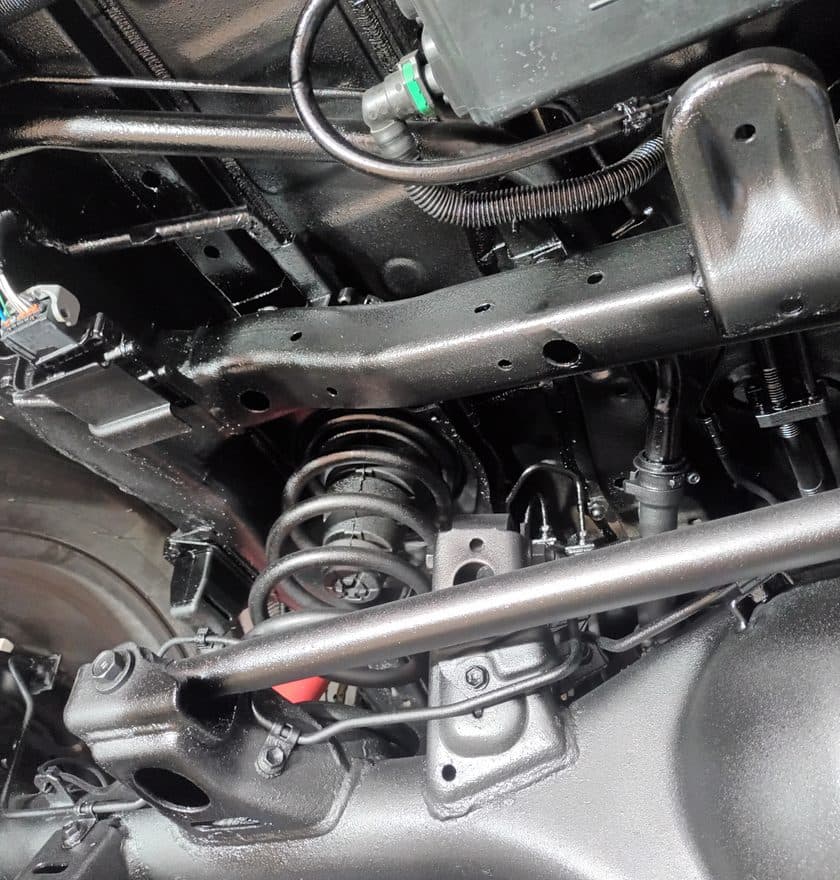
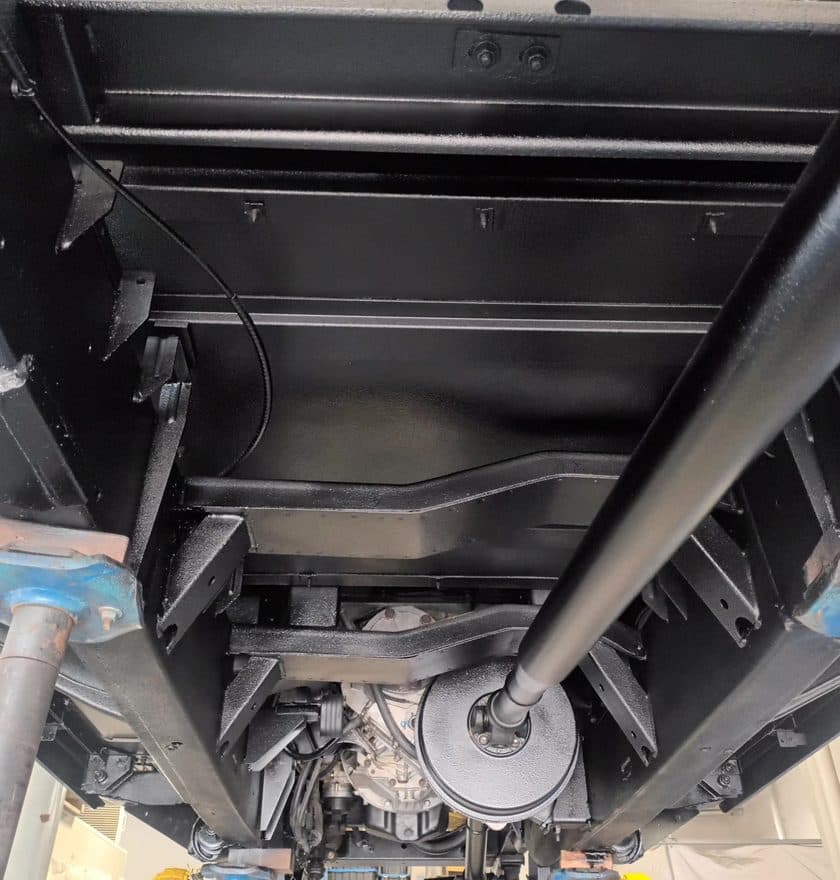
Our maximum protection package. Dinitrol ML creeps into cavities, seams, and box sections where rust starts unseen. Dinitrol 4941 then covers the exposed underbody with a tough, wax-based film. Built for salt, brine, gravel, and vehicles that work hard.
APPLICATIONS OF UNDERCOATING
Daily Drivers
Trucks & 4x4s
New Vehicles
Classics & Restorations
Fleet & Work Vehicles
ADVANTAGES OF UNDERCOATING
Cleaning first is what makes the coating worth doing. Here is what you get out of it.
Longer Component Life
Brake lines, fuel lines, fasteners, and floor pans last longer when salt comes off and the metal is sealed against moisture.
Stone & Debris Shield
The 4941 film adds an abrasion-resistant layer that absorbs stone chips and road debris before they reach the metal underneath.
Corrosion Protection
Removing salt and chlorides before coating prevents corrosion from continuing under the film. That is why we clean first, every time.
Quieter Ride
Dinitrol 4941 is a thick film with sound-dampening properties, so many drivers notice slightly less road noise with the ML + 4941 package.
OUR PROCESS
Clean. Restore. Protect. Preserve. One visit, in that order.
Clean
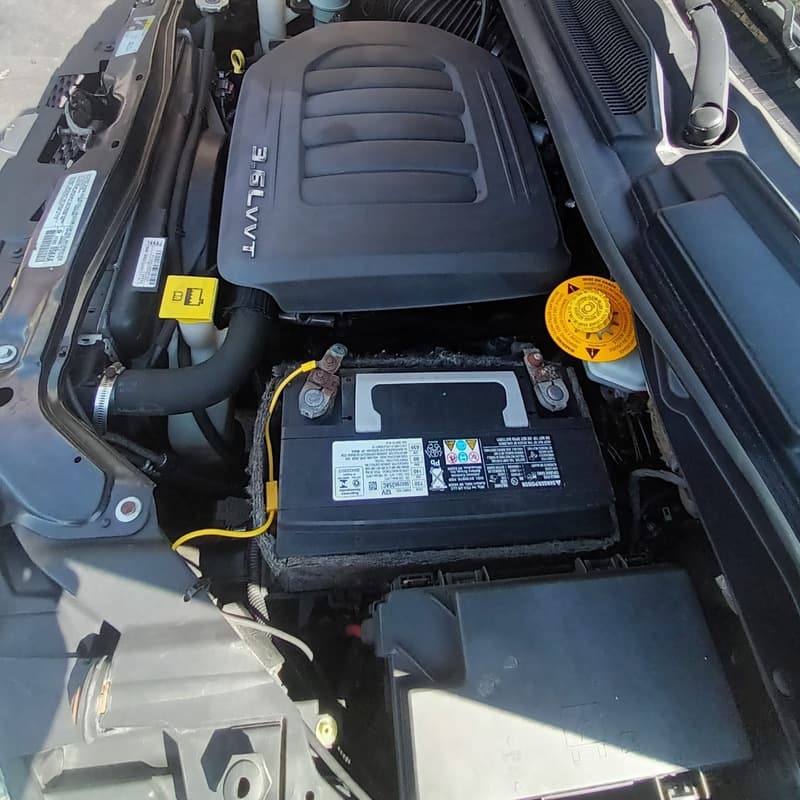
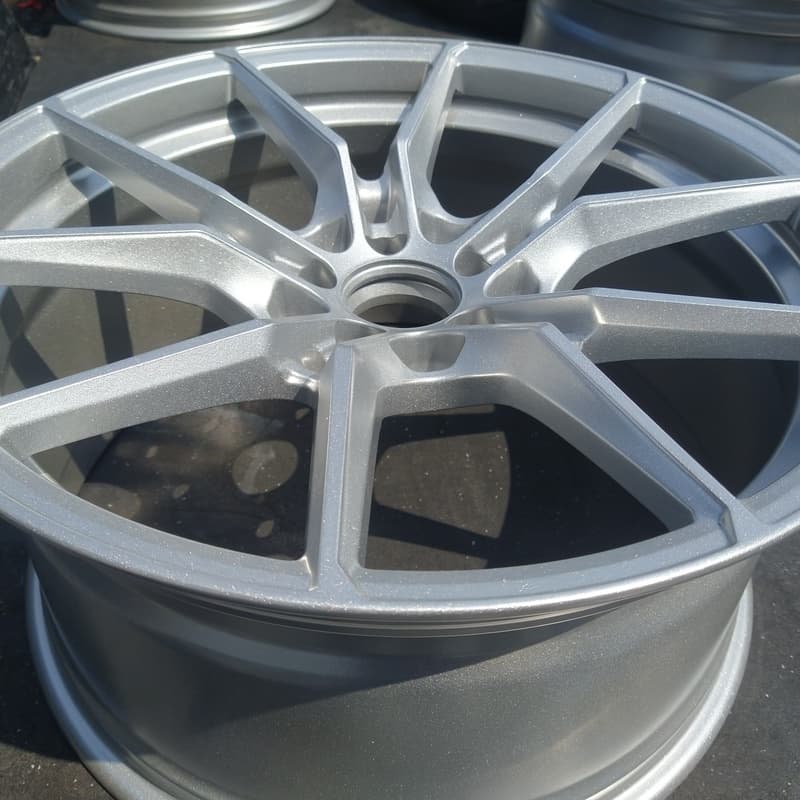
Wheels, liners, and undertrays come off as needed for access, without a full teardown. We blast the underbody with solid CO2 pellets. Salt, grime, oil, and loose rust lift off. No water, no grit, nothing driven into seams or cavities.
Restore
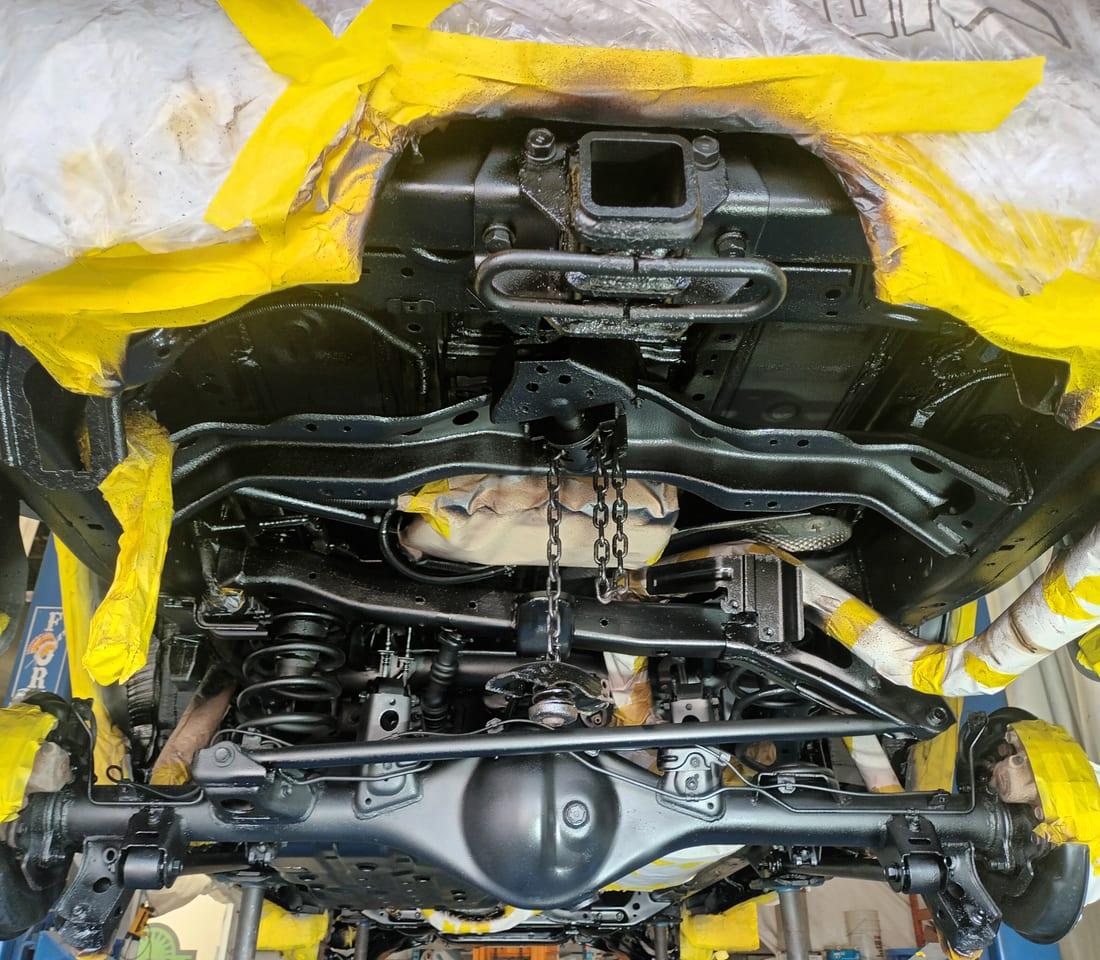
We inspect the bare metal, knock down remaining surface rust mechanically, and stabilize it with a rust converter. Exhaust, driveline, and other no-coat areas are masked off.
Protect
Dinitrol goes onto the clean, dry surface right away. No flash rust, no drying wait. Cavity wax first where specified, then the underbody coating.
Preserve
We check coverage under proper lighting, touch up thin spots, remove the masking, and reinstall everything that came off. Then we walk you through what was done.
WHY CHOOSE RBSD IN HAMILTON?
Anything metal, done right. That includes the metal you never see.
Since 1998
Decades of coating work in Hamilton. We know what road salt does here, and what holds up underneath.
Quality & Craft
We never coat over salt or grime. Every underbody is blasted clean and treated before Dinitrol goes on.
Top-Tier Service
Straight answers on which package fits and what undercoating can and cannot do for your vehicle.
Built for Scale
Set up for trucks, vans, and multi-vehicle fleet work, with scheduling that fits your operation.
FREQUENTLY ASKED QUESTIONS
Turnaround, shipping, drop-off and how to prep your parts are answered on the full FAQ
We think so. Ontario and Quebec spread more than half of Canada's roughly five million tonnes of yearly road salt, per Environment Canada. That salt collects in the seams and box sections where rust starts, and rust damage usually isn't covered by insurance. Cleaning the underbody and coating it is the part you can control.
No, and that is exactly why we clean first. Coating over salt and active rust seals the problem in, and it keeps working under the film. We dry ice blast the underbody clean, knock down any remaining surface rust, and stabilize it with a rust converter before any Dinitrol goes on. Undercoating is prevention, not rust repair.
Dinitrol is a European corrosion protection brand with decades of automotive use. We apply two of its systems. Dinitrol 4010 is a transparent protective wax suited to newer or well-kept vehicles. Dinitrol ML is a penetrating cavity wax that creeps into seams and box sections, and we pair it with Dinitrol 4941, a tough wax-based underbody coating, for maximum protection.
| Annual Oil Spray (Krown, Rust Check) | RBSD Clean & Coat (Dinitrol) | |
|---|---|---|
| Approach | Thin penetrating oil sprayed over the existing surface | Dry ice clean, rust treated, then coated |
| Surface prep | Minimal by design | Salt, grime and loose rust removed first |
| Product | Light oil that stays fluid | Wax films that set and stay in place |
| Upkeep | Re-sprayed every year | Inspect every year or two, touch up as needed |
| Best for | A yearly maintenance routine | Longer-interval protection on clean metal |
The short answer: annual oil and clean-then-coat are different tools, and both beat doing nothing. We offer the second, because protection should start on clean metal.
Honest answer: it depends on exposure, mileage, and how the vehicle is washed and stored. Dinitrol systems are designed as long-term protection rather than an annual treatment, and that is how we treat them. We recommend an inspection every year or two so any thin or scuffed spots can be touched up.
Need it, no. Benefit from it, yes, especially in the salt belt. Prevention works best on clean metal, and a new underbody is the cleanest it will ever be. For new and well-kept vehicles we usually recommend Dinitrol 4010, a transparent wax that protects without changing the factory look.
Plan on about a full day for a complete underbody. Large or heavily contaminated vehicles can take longer. Blasting, rust treatment, masking, and coating each take real time to do right, and we confirm the timeline with your quote.